Dan Perri
Daniel Richard Perri (born August 11, 1945) is an American film and television title sequence designer. He has worked in film title design since the 1970s, and has been responsible for the main titles of several notable films including The Exorcist (1973), Taxi Driver (1976), Star Wars (1977), Raging Bull (1980), Airplane! (1980), and Suspiria (2018).
Perri made contact with the film graphics designer Saul Bass and began to pester him for work at his studio on Sunset Boulevard. Eventually, Perri found work with Bass through his illustrator, Art Goodman. During his service in the US Navy, Perri served on the USS Repose and designed an on-board newspaper, entitled The Repose Reprise.
After serving in the Navy, Perri went to work with Cinefx alongside Phill Norman, Wayne Fitzgerald Don Record, and a former school friend, Steve Smith. After a year, both Perri and Smith quit and went on to form their independent design studio, Perri & Smith. The pair worked together from 1969 to 1973, mostly on small, low-budget television features, but their credits also included films such as Electra Glide in Blue and several of Gene Corman's blaxploitation films. The designers were often exploited and clients sometimes failed to pay, and eventually, the business folded.
Perri's big break came in 1973 when he was commissioned by Billy Friedkin to produce the main titles for The Exorcist, his first solo project. With a blockbuster film in his portfolio, Perri was now able to attract more work and soon found himself working on high-profile titles. For Nashville (1975), Robert Altman commissioned a main title sequence and a logo to be used in marketing. Perri produced an unusual, kitschy sequence inspired by low-budget K-Tel Records television commercials, complete with a loud, brash voiceover by Johnny Grant.
In 1976, Martin Scorsese brought Perri in to design the titles for Taxi Driver. Perri took second unit footage and color-treated the film through a process of film copying and slit-scan, resulting in a highly stylized graphic sequence that evoked the "underbelly" of New York City through lurid colors, glowing neon signs distorted nocturnal images and deep black levels, accompanied by Bernard Herrmann's jazz soundtrack.
Possibly Perri's best-known title sequence project came about in 1976 when his friend James Nelson was working on post-production for a new space fantasy film, Star Wars. Nelson recommended Perri to director George Lucas, who invited Perri to Industrial Light & Magic, Lucasfilm's post-production operation at Van Nuys, California. Lucas briefed Perri to take inspiration from old 1930s cinema serials such as Flash Gordon and Buck Rogers that had inspired Lucas to write much of his Star Wars story. After struggling to come up with a concept that Lucas liked, Perri eventually developed a concept for presenting a textual introduction based on the opening credits of the 1939 Cecil B. DeMille film, Union Pacific, in which the credits are shown distorted by a sharp perspective and rolling along a railroad track towards a distant vanishing point. Lucas approved of the idea and Perri produced sketches and prototype mechanical artwork, supported by storyboard artwork drawn by the production artist Alex Tavoularis. This gave birth to the now-familiar opening crawl sequence that appears in the Star Wars films.
Legismertebb munkái
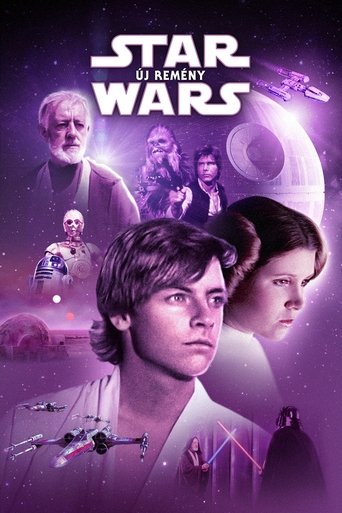


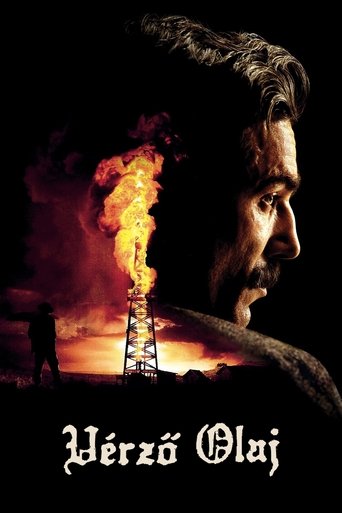


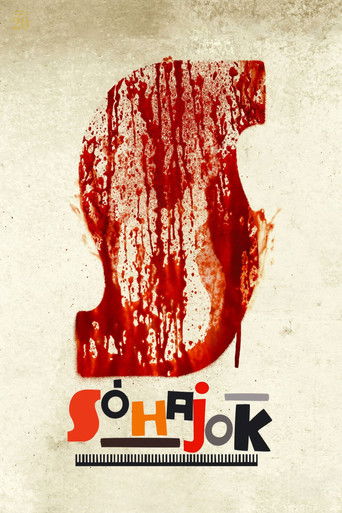
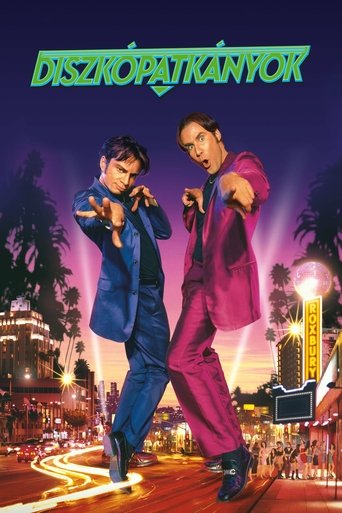

Stábmunkái
| 2022 | Sam Morril: Same Time Tomorrow Makeup & Hair |
| 2020 | Én vagyok a nőd Title Designer |
| 2018 | Sóhajok Title Designer |
| 2017 | All Saints Title Designer |
| 2011 | A hódkóros Title Designer |
| 2007 | Vérző olaj Main Title Designer |
| 2007 | Elah völgyében Title Designer |
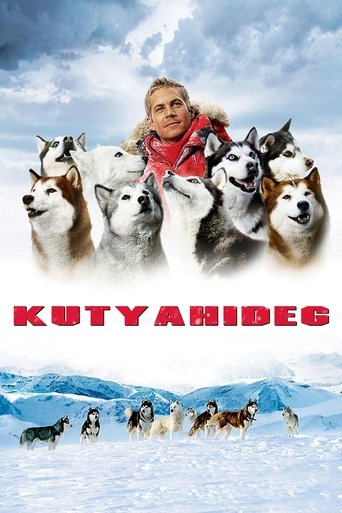
| 2006 | Kutyahideg Title Designer |
| 2004 | Aviátor Title Designer |
| 2003 | Háborúzni mentem, Kelly! Title Designer |
| 2002 | New York bandái Title Designer |
| 2002 | Álmatlanság Title Designer |
| 2001 | 15 perc hírnév Title Designer |
| 1999 | Vendetta Title Designer |
| 1999 | A tolvaj és a gyilkosok Title Designer |
| 1999 | Prérifarkas Blues Title Designer |
| 1998 | Diszkópatkányok Title Designer |
| 1998 | 54 Title Designer |
| 1997 | Az utolsó belövés Title Designer |
| 1996 | Vérfagyasztó Title Designer |
| 1996 | Mulholland - Gyilkos negyed Title Designer |
| 1995 | A Lény Title Designer |
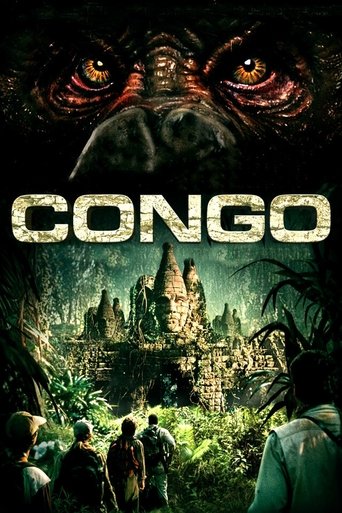
| 1995 | Kongó Title Designer |
| 1994 | Az éj színe Title Designer |
| 1984 | Esélylesők Title Designer |
| 1977 | Csillagok háborúja Title Designer |
| 1973 | Az ördögűző Title Designer |
| 1972 | Fritz, a macska Title Designer |